





.webp)





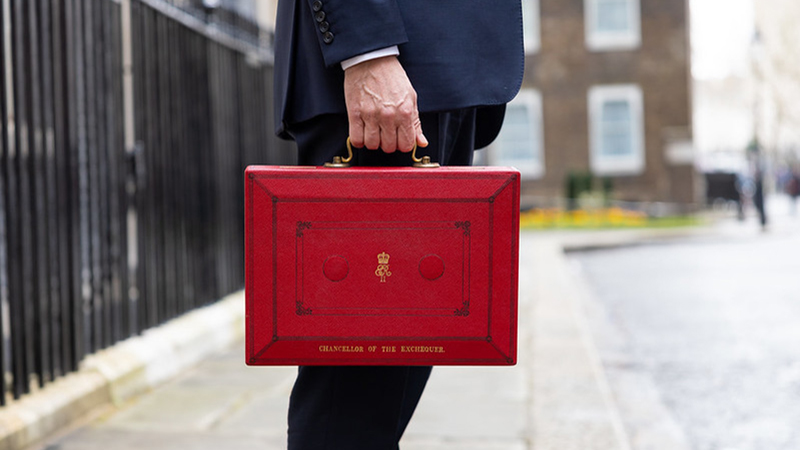

The Autumn Budget 2026 is set for October 28th 2026, with Chancellor John Healey expected to announce the Government’s plans for tax, spending, and the wider economy.
If you’re self-employed, you’re probably less interested in the political headlines and more interested in specifically how the Budget will change how much tax you pay or how you run your business.
At the moment, some changes are confirmed, while others are being discussed or reported as possibilities. So, what could the Budget 2026 tax changes mean for Sole Traders, freelancers, and Limited Companies?
Here’s what we know so far
Several tax and business changes have already been announced and are due to take effect over the coming months and years. These aren't Budget predictions, but confirmed measures that could affect your finances.
VAT is being removed from domestic electricity bills
From October 1st 2026, VAT will be removed from domestic electricity bills until 31 March 2027. If you work from home, this could reduce your household electricity costs. However, the change doesn't automatically affect how much electricity you can claim as a business expense. Your claim still needs to follow the relevant tax rules.
Pensions are coming into Inheritance Tax
From April 6th 2027, most unused pension funds and pension death benefits will be brought into the value of an estate for Inheritance Tax purposes. This is an important change for anyone building up pension savings and thinking about passing wealth on to their family.
Cash ISA rules are changing
From April 6th 2027, the Cash ISA allowance will fall to £12,000 for people under 65, while the overall ISA allowance will remain at £20,000. This isn't specifically a change for the self-employed, but it could be relevant if you're putting business profits aside as personal savings.
Business rates are changing for some businesses
From April 2027, eligible pubs, social clubs and live music venues in England will receive a 20% reduction in their business rates bills. For most freelancers and Sole Traders, this won't be relevant unless you operate from business premises, but it's part of the wider changes to business costs already announced.
{{instantquote}}
Will taxes go up in the 2026 Budget?
There are no confirmed increases to the main rates of Income Tax or National Insurance for self-employed people. The Government has committed not to increase the main rates of Income Tax, VAT, or National Insurance during this Parliament. However, that doesn’t mean your tax bill can’t change.
For example, frozen tax thresholds can mean you pay more tax as your income rises, even when the tax rates themselves stay the same. The Personal Allowance has been frozen at £12,570 since April 2021, and is currently expected to remain at that level until April 2031.
So when you’re looking at Budget 2026 tax changes, don’t just look at the headline rates. Thresholds, allowances, and other rules can all affect how much you’ll actually pay.
Could the Budget change the Personal Allowance?
According to Michael Awuye, Crunch's Technical and Regulatory Accountancy Manager, the full new State Pension is expected to rise above the current Personal Allowance from April 2027. If that happens, people whose only income is the State Pension could technically become liable for Income Tax, as the pension would be above the current Personal Allowance.
The Government has indicated that pensioners relying solely on their State Pension should not face the administrative burden of paying small amounts of tax or completing tax returns as a result. Exactly how this will work has not yet been confirmed. Michael says this could put pressure on the Government to consider whether the allowance needs to change.
“The Government may need to look at the Personal Allowance because the full State Pension is expected to rise above the current £12,570 threshold. One option could be to increase the Personal Allowance for everyone, while another could be to introduce a separate allowance or arrangement for pensioners.
The Personal Allowance has also been frozen for several years, while wages have continued to rise. That means more people on low earnings are being brought into Income Tax as their earnings increase, even though the tax rates themselves haven't changed. The Budget could therefore be an opportunity to address both issues.” - Michael Awuye.
Nothing has been confirmed, so for now this remains something to watch rather than a change to plan around.
Could Capital Gains Tax change in the 2026 Budget?
Capital Gains Tax (CGT) is one of the areas being watched ahead of the Budget. There has been speculation about whether Capital Gains could be taxed more like income, potentially increasing the amount some people pay when they sell or dispose of assets. However, no changes have been confirmed at this point.
CGT can be particularly relevant if you’re self-employed and thinking about selling or closing your business, or if you have investments or other assets outside your business. For now, it’s a case of keeping an eye on any announcements rather than making decisions based on Budget speculation.
Could dividends be taxed differently?
If you run a Limited Company, how you pay yourself could be another area to watch. Dividends are taxed differently from salary, so changes to the way dividend income is taxed could affect company directors who take a mix of salary and dividends.
Michael, Crunch’s Technical and Regulatory Accountancy Manager, says there has been speculation about whether the gap between Income Tax and dividend tax could be narrowed, although there are no confirmed plans to make further changes.
For now, the current rules still apply. But if you take dividends from your company, it’s worth keeping an eye on what the Chancellor announces in the Autumn Budget.
{{ltd-guide}}
Could VAT changes be announced in the Autumn Budget 2026?
VAT is another area that could affect small businesses. The standard rate of VAT is currently 20%, and there are no confirmed plans to change it. However, there has been speculation about increasing the VAT registration threshold, currently £90,000 of taxable turnover.
If you're approaching the threshold, any change could affect when you're required to register for VAT and start charging it to customers. We'll know more when the Chancellor announces the Budget.
Could the Budget affect small business costs?
The Budget could also bring changes that affect the cost of running a business. Business taxes, business rates, employment costs and other business expenses are all areas worth watching. Business rates won't be relevant to every freelancer or Sole Trader, particularly if you work from home. However, if you run a business from commercial premises, changes to business rates could affect your costs.
Michael, our Technical and Regulatory Accountancy Manager, says the wider impact on businesses is another area to keep an eye on:
“The Government will need to balance raising revenue with its plans to encourage business growth and employment. That could make further changes affecting businesses an interesting area to watch this Budget.”
The Government is also working to reduce the administrative burden of regulation for businesses by 25% by the end of this Parliament. While this isn't a specific Budget measure, any changes to reporting requirements or other business regulations could affect how much time and money small businesses spend on compliance.
Don't forget Making Tax Digital
While it isn't an Autumn Budget 2026 announcement, Making Tax Digital for Income Tax is one of the biggest changes already happening for self-employed people. From April 2026, Sole Traders and landlords with qualifying income over £50,000 have had to use compatible software to keep digital records and send quarterly updates to HMRC.
However, this threshold is lowering as of April 6th 2027 to qualifying income over £30,000, meaning a lot more Sole Traders and landlords are about to meet the criteria. The threshold will then lower again to £20,000 from April 6th 2028.
So if your qualifying income is between £20,000 and £50,000, you could be affected by Making Tax Digital over the next couple of years. The Budget may bring further tax changes, but MTD is already happening. If you're likely to come into scope, it's worth getting familiar with the requirements now rather than waiting for another deadline to roll around.
{{st-expense-guide}}
What Budget 2026 changes should self-employed people watch?
With the Budget still to come, these are the main areas worth keeping an eye on:
- Personal Allowance and Income Tax thresholds.
- Capital Gains Tax, including possible changes to rates or reliefs.
- VAT, including the registration threshold.
- Inheritance Tax, particularly alongside the pension changes coming in 2027.
- Business costs and regulation.
- Making Tax Digital, as more self-employed people come into scope.
For now, it's important to separate confirmed changes from Budget speculation. Until the Chancellor announces the Budget, proposals reported in the press aren't changes to the tax rules.
What does the Autumn Budget 2026 mean for you?
The Budget could bring changes that affect how much tax you pay, how you plan for the future or how you run your business. But you don't need to make decisions based on every Budget rumour that appears in the news. For now, make sure you're working from the rules that actually apply to you and keep an eye on the areas that could affect your business.
We’ll be covering the Autumn Budget live on X (or Twitter for the more old-fashioned, like me), and will be providing a full breakdown of what changes were announced and what they mean for self-employed people and business owners in the UK.


.avif)
.avif)


