





Budget coverage and technical insights from Michael Awuye, Crunch’s Technical and Regulatory Accountancy Manager.
Whether you’re running your own business, earning extra income on the side or letting out a property, the Autumn Budget announced a few changes to get your head around.
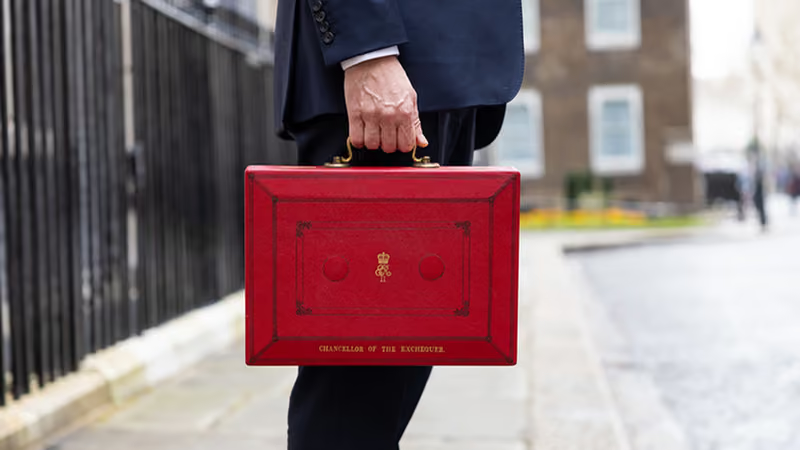
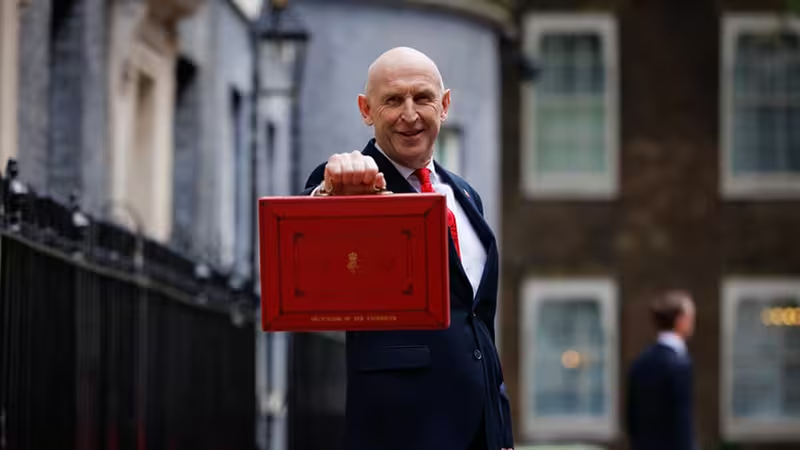
Chancellor John Healey has delivered his first Budget, announcing changes to tax, business costs, savings and support for households. Some measures are due to take effect from April 2027, while others are planned for later years.
From a higher trading allowance to changes to business mileage and tax on savings, here’s what was announced, when the changes are expected to happen, and what you need to keep an eye on.
Income Tax, savings, and pensions: what’s changing?
If you earn employment income, there’s no change to the Income Tax you pay in this Budget. Dividend Tax rates are also unchanged. However, if you earn interest on savings or income from property, you could pay more tax from April 2027, when the rates are set to rise by two percentage points.
There’s also news for pensioners, too. From April 2027, a new pension tax allowance is intended to help protect people whose income is below a threshold linked to the full new State Pension from paying Income Tax.
What does that mean for you? It’ll depend on your income and how the final rules work. If you receive a pension as well as money from other sources, check how the allowance applies to your circumstances before assuming you won’t owe any tax.
{{instantquote}}
Trading allowance changes announced
The trading allowance is set to increase from £1,000 to £3,000 from April 6th 2027. This could benefit people earning extra income from freelance work, a side business, or other qualifying trading activities.
The property allowance, which applies separately to qualifying property income, remains at £1,000 under the Budget announcements.What does this mean if you earn money on the side?
The Budget 2026 changes to the trading allowance could mean less tax on qualifying income. However, the rules depend on the type of income you receive, so don’t assume that every income type will benefit.
Business rates: what’s changing for pubs, shops and hospitality businesses?
The Autumn Budget included changes to business rates relief for parts of the retail, hospitality and leisure sectors. A previously announced 25% cut to business rates for pubs, clubs, and music venues is due to take effect from April 2027. Retail, hospitality and leisure businesses will also benefit from an increase in the small business rate relief threshold from £12,000 to £18,000. Businesses in these sectors that fall outside the threshold will have their business rates frozen.
These changes could help some businesses manage their premises costs, but the impact will depend on the type of business and its rateable property.
What’s the new National Minimum and Living Wage rates from April 2027?
From April 1st 2027, the National Living Wage and National Minimum Wage are set to rise by 3.9%. This means that the National Living Wage will increase to £13.21 an hour, while the National Minimum Wage will rise to £11.27 an hour.
If you employ people, it’s worth getting these increases on your radar now. You’ll need to make sure everyone is paid at least the correct minimum hourly rate from April, so factor the changes into your payroll budget.
If you’re an employee, the new rates could mean more money in your pocket. The minimum rate you’re entitled to depends on your age and eligibility, so check the official guidance to see which applies.
Selling your business? Here are the changes
The 2026 Budget sets out two changes to tax relief for business owners selling a business. The announcements covered a lower limit for Business Asset Disposal Relief and a new Founders’ Relief for qualifying business founders as a way to incentivise prospective business owners in the UK. Both could affect how much Capital Gains Tax you ultimately pay when you sell your business, but they have different eligibility rules and limits.
What are the changes announced for BADR?
From April 2027, the limit for Business Asset Disposal Relief is set to fall from £1 million to £500,000. This means the amount of qualifying gains that can benefit from the relief will be reduced. Business Asset Disposal Relief is relevant to eligible business owners who sell or dispose of qualifying business assets. If you’re planning to sell your business, the change could affect how much of your gain qualifies for relief and the Capital Gains Tax you owe.
The impact will depend on your eligibility, the size of your gain and the rules that apply when you sell. Check the final guidance before making decisions about the timing of a sale.
What was the new Founders’ Relief announcement?
Starting a business takes guts, which is why the Chancellor announced a new Founders’ Relief to reward that ambition. It’s set to offer qualifying founders a 10% tax rate on lifetime gains of up to £10 million from April 6th 2027. The Chancellor explained that the aim is to make building a business and taking the risk of turning an idea into reality more rewarding.
For entrepreneurs with plans to grow and eventually sell their business, the relief could make a huge difference to the tax they pay when they exit. Not every founder or business sale will qualify, so it’s important to check the eligibility criteria released at a later date before factoring in relief to your plans.
Business mileage: the 55p is here to stay
If you use your own car for work, then we’ve got some good news for you. The temporary increase in the business mileage rate from 45p to 55p per mile for the first 10,000 business miles is being made permanent. Then for frequent travellers, there’s more good news. The rate for business miles over 10,000 is also set to rise, from 25p to 35p per mile.
These rates affect how much you can claim for qualifying business journeys, helping you account for the cost of using your own vehicle for work. For example, 2,000 qualifying business miles at 55p per mile works out at £1,100 in mileage expenses. The important thing is to keep a record of your business journeys so you can work out what you’re entitled to claim, and back it up if asked.
Self-employed parental leave: what’s changing in 2029?
Now this one will be a welcome change. From April 2029, self-employed people are due to become entitled to paid parental leave. The change is intended to give people who work for themselves greater support when they have a child.
This could be an important change for freelancers, sole traders and other self-employed people who may not have access to the same parental leave arrangements as employees. However, the eligibility criteria and payment arrangements will need to be confirmed.
If you're self-employed and planning a family, keep an eye on the official guidance as more details are announced.
What about the Self Assessment Budget 2026 announcements?
The Chancellor announced plans to reform Self Assessment with the aim of allowing taxpayers to make smaller, more regular payments rather than facing one big tax bill. For people who find it difficult to set aside enough money for their annual bill, this could change how they budget for tax throughout the year. However, the announcement set out the aim of the reform from 2029, rather than all the practical details.
What other changes were announced in the Autumn Budget?
VAT on household electricity: cuts extended
As Winter approaches, this one is likely to be a hot topic over the next few months. The government announced that the temporary VAT cut on domestic electricity supplies has been extended to July 2027. It was originally due to run from October 1st 2026 to March 31st 2027, so the announcement means households will benefit from the measure for longer than planned.
The amount you’ll save will depend on your electricity use and how the VAT cut applies to your bills; however, the extension could help many in the UK reduce their electricity costs.
What is the £100 energy payment for households?
Households in council tax bands A to D are set to receive a £100 energy payment per household. The payment was announced to help towards household energy costs. So if your home falls within one of these council tax bands, be on the lookout for further details on when it will arrive.
Gas and electricity standing charges to be removed
While we’re on the subject of utility bills, this next announcement is set to hopefully lower energy bills too. The announcement in the Autumn Budget 2026 stated that there are plans to remove standing charges from domestic gas bills from next year, with the same change planned for electricity bills afterwards.
What are standing charges?
Standing charges are the fixed daily amounts households pay for having a gas or electricity supply, regardless of how much energy they use. Removing these could make a difference to household bills, particularly for those who use very little energy. Further details are needed to confirm when the changes will take effect and how they will work in practice.
Fuel duty: when does the 5p cut end?
The existing 5p cut to fuel duty will remain in place until July 2027, extending the support for drivers. If you drive regularly, the extension could help keep fuel costs down for a little longer. Sadly though, that doesn’t always mean a lower price at the pump, as prices are also affected by factors such as wholesale fuel costs and retailer pricing.
ISA allowance: why the £20,000 limit is staying
The planned reduction to the annual ISA allowance has been shelved, meaning that the limit will remain at £20,000. This gives savers more certainty about how much they can put into their ISAs each tax year while benefiting from their tax advantages.
If you’re looking to get onto the property ladder in the future, there could be good news coming from April 2029, as the Chancellor announced plans for a new first-time buyer ISA. This is intended to replace the Lifetime ISA. Further details haven’t been released yet on who will qualify and how the account will work.
Need help making sense of your tax?
The Budget can bring a lot of changes, and working out what they mean for your own finances isn’t always straightforward. Whether you’re self-employed, running a Limited Company or earning extra income on the side, knowing what you need to pay and what you can claim makes managing your finances a little bit easier.
That’s where Crunch comes in. We help Freelancers, Contractors, and small business owners with their accounts, Self Assessments, and the day-to-day admin of being self-employed. From accounting software designed with business owners in mind to unlimited access to certified accountants when you need it, we’re here to help you stay on top of your finances. Tax rules depend on your circumstances, so if you’re unsure how a Budget change affects you, getting advice tailored to your situation can help you understand your options and make informed decisions.
Want a hand keeping your business finances on track? Get an instant quote now and see how affordable getting support with your tax and accounts can be.